Most people have come home from a holiday needing a holiday. They booked the time off precisely to recover, and yet they returned wired, tired, and faintly behind. The rest they were promised never quite arrived.
At the same time, almost everyone can name one trip they came back from feeling genuinely different. Lighter. Slower in the best way. Sleeping better for weeks afterward. Not because the destination was more expensive, but because the experience did something to their body and mind that ordinary travel does not.
That second kind of trip has a name. Wellness travel is not a spa menu or a juice cleanse bolted onto a vacation. It is travel designed, from the outset, to leave you better than it found you. And understanding how it works is the difference between a trip that drains you and one that restores you.
Why the Trip Meant to Relax You Often Doesn't

Restoration begins with permission to slow down.
The modern vacation is often just a busier version of everyday life in a nicer setting. The itinerary is packed to justify the cost. There are reservations to make, sights to tick off, and a quiet pressure to produce something worth showing for the days away. Leisure becomes a second job.
The body does not read a five-star hotel as rest. It reads the pace. A trip spent rushing between must-see stops keeps the nervous system in the same low-grade alert state it was trying to escape. You return sun-touched and photographed, but not actually recovered. The stress simply changed backdrops.
Wellness travel starts from the opposite assumption. Instead of asking how much can be fit into the days, it asks what the traveler actually needs in order to reset - and then builds the trip around that. Movement instead of a treadmill of attractions. Nature instead of noise. Time that is not accounted for.
The result is not doing less for its own sake. It is doing the things that genuinely restore you, on purpose.
Wellness travel is not an escape from your life. It is a return to yourself.
What Wellness Travel Actually Is
Wellness travel is any trip taken with the intention of maintaining or improving your well-being. That is the whole definition, and it is deliberately broad. It includes a dedicated retreat in the mountains, but it also includes a city break planned around good sleep, long walks, and real food. The intent is what makes it wellness travel, not the price tag or the presence of a sauna.
It is worth separating from something it is often confused with. Medical tourism is reactive - travelling to treat an illness or undergo a procedure. Wellness travel is proactive. It is about staying well, building resilience, and coming home more capable of handling ordinary life. One fixes what is broken; the other strengthens what is working.
The sector has grown quickly because the need has grown quickly. As everyday life has gotten louder, busier, and more screen-bound, travellers have started asking more of their time away than a change of scenery. Today wellness travel spans an entire ecosystem: hotels and destinations that build around well-being, retreat leaders and practitioners, and travel advisors who specialise in matching people to restorative experiences. It has moved from a niche to a mainstream reason to travel.
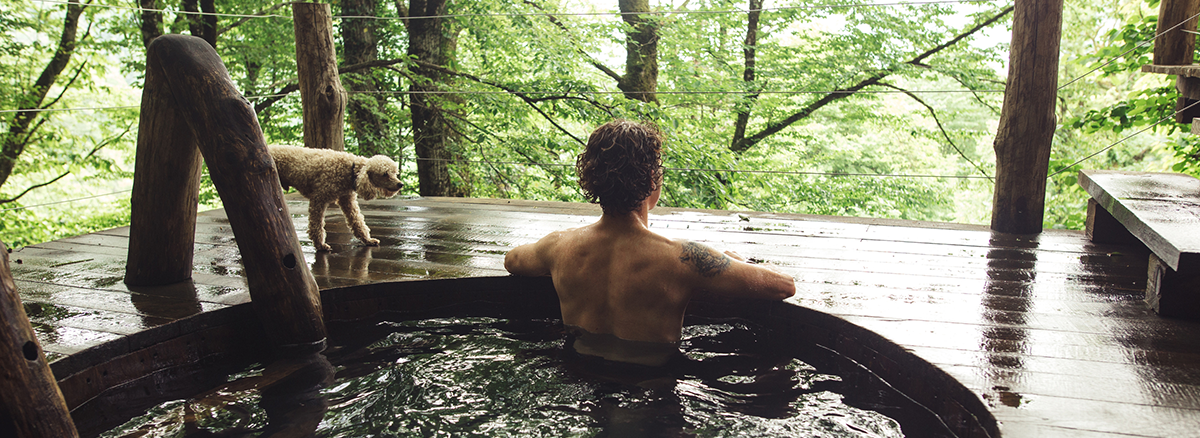
The Four Dimensions of a Restorative Trip
Wellness is not a single thing you either get or miss. Across the research on rest, recovery, and well-being, the trips that genuinely restore people tend to touch four dimensions at once. The strongest wellness travel is not the one with the most treatments. It is the one that quietly covers all four.
Movement & the Body
Hiking, swimming, yoga, thermal waters. The body engaged and used, not sedated. Physical activity that leaves you pleasantly tired rather than depleted.
Rest & the Nervous System
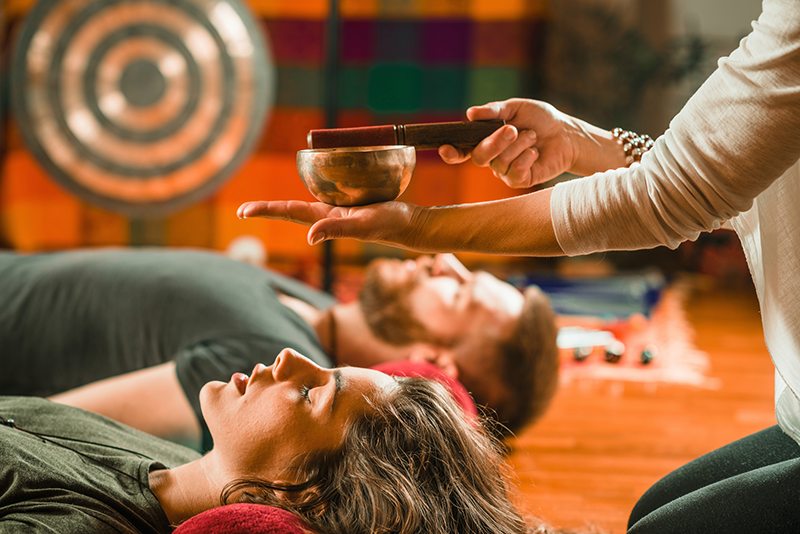
A real downshift. Deep sleep, stillness, time in nature, and fewer decisions to make. The space in which the body finally stops bracing and starts to recover.
Nourishment & Place
Good food, clean air, and a real connection to a specific landscape. Being somewhere your senses can settle, rather than somewhere you are only passing through.
Meaning & Connection
Reflection, community, and purpose - whether that is shared time with others or restorative solitude. The dimension that turns a good rest into a lasting reset.
The balance between these four is personal. For one traveller, restoration means long solo trail days and silence. For another, it means a small group, shared meals, and a teacher to follow. The same four dimensions, arranged completely differently, because well-being is not one-size-fits-all.
This is exactly where most wellness travel goes wrong. A retreat built for an extrovert who thrives on group energy can leave an introvert more exhausted than when they arrived. The dimensions were all there. The fit was not.
The best wellness trip is not the most luxurious one. It is the one your nervous system actually needed.
How Travelese Supports the Wellness Sector
Wellness travel has a matching problem. The supply side is rich and growing - retreat leaders, wellness-focused hosts, practitioners, and destinations that have built something genuinely restorative. The demand side is full of people who need exactly what those hosts offer. What has been missing is a way to connect the two on the thing that actually determines whether a wellness trip works: fit.
Travelese was built for that. Rather than sorting by price or popularity, the platform matches travellers to hosts and experiences across 18 lifestyle classifications and more than 500 data points - including how a person recharges, the pace they thrive at, and how much structure versus spontaneity they actually want. For wellness travel, those variables are not a nice-to-have. They are the whole game.
For travellers, that means a wellness experience chosen for the person taking it: the silent trail retreat for the one who restores in solitude, the small community-led programme for the one who restores among people. For the wellness sector, it means something just as valuable - aligned guests. A retreat host reaches the travellers their programme was genuinely designed for, rather than the ones who booked on a whim and left disappointed. Better matches mean better outcomes on both sides, and a wellness business that grows on fit rather than luck.
Travelese also holds the wellness sector to the standard it deserves. The platform is free to join, carries no ads, and does not sell member data - because a space built around well-being cannot credibly run on the very pressures wellness travel exists to relieve. Transparency and trust are not add-ons here. They are the baseline the sector has been moving toward, and the baseline Travelese is built on.
The effect, done right, compounds. Travellers find rest that actually fits them. Hosts find the guests they were meant to serve. And wellness travel becomes what it always promised to be - not a category of holiday, but a reliable way to come home better than you left.
What Changes When You Travel for Well-Being
The effect wellness travel has - the lasting kind - is not produced by the thread count or the treatment list. It emerges when movement, rest, nourishment, and connection come together in a way that fits the person. The nervous system finally downshifts. Sleep returns. Perspective widens. You come home not just tanned or photographed, but genuinely restored, carrying a little of that calm back into ordinary life. That is the effect. And it is available to anyone who travels for the right reason, matched to the right experience.
Wellness Travel Built Around Who You Actually Are
Travelese uses 18 lifestyle classifications to match travellers to wellness hosts, retreats, and experiences built for people exactly like them. Free to join. No ads. No data selling.
Travelese Matches You to Wellness Experiences That Fit
The platform uses over 500 data points across 18 lifestyle classifications to connect travellers with wellness hosts built for people exactly like them. Free to join. No ads. No data selling.